Portable power station maintenance is simple when you follow a consistent routine. Regular care keeps the battery healthy, improves safety, and helps the unit deliver stable output when you need backup power at home, outdoors, or on the job. Dust buildup, poor charging habits, and improper storage can gradually reduce performance, even on a well-built system. A few basic checks make a big difference: inspect the casing, ports, cables, battery status, and cooling vents, then charge and store the unit correctly. Good maintenance also lowers the chance of unexpected shutdowns or shortened battery life. This guide explains the basics, covers practical cleaning and storage steps, and highlights daily habits that help your portable power station stay dependable for longer.

Understanding Portable Power Station Maintenance Basics
Key Components That Need Regular Checks
Focus on the parts that affect safety, charging, and power delivery most. Start with the battery and display, since they show charge level, warnings, and operating status. Check AC outlets, DC ports, USB ports, and input connections for dust, looseness, or bent contacts. Inspect charging cables and adapters for fraying, heat damage, or cracked insulation. Look at cooling vents and fans to make sure airflow is not blocked by lint or debris. Examine the outer housing for swelling, impact damage, or signs of moisture exposure. If your portable power station includes buttons, lights, or app connectivity, confirm they respond normally. These quick inspections help catch small issues before they become expensive repairs.
How Proper Care Extends Battery Life and Performance
Battery health depends heavily on temperature, charging habits, and storage conditions. Keeping your portable power station clean and using it within the recommended operating range reduces stress on internal cells and electronics. Avoid leaving the unit fully discharged for long periods, because deep depletion can make recharging harder and reduce long-term capacity. Recharging after use and topping up the battery during storage helps preserve stable performance. It is also smart to avoid constant exposure to extreme heat, direct sunlight, or freezing conditions, all of which can accelerate battery wear. Gentle handling matters too. Preventing drops, blocked ventilation, and overloaded outputs supports efficient operation and helps the power station deliver reliable energy over time.
Step-by-Step Guide to Maintaining Your Portable Power Station
Cleaning, Charging, and Inspecting Your Power Station
Turn the unit off and disconnect all devices before maintenance. Wipe the exterior with a soft, dry cloth to remove dust and dirt. For stubborn grime, use a slightly damp cloth, but never let moisture enter ports or vents. Clean connection points carefully with a dry brush or compressed air. During inspection, confirm that ports are secure, cables fit properly, and the screen shows normal battery information. Charge the power station with the correct charger and avoid makeshift adapters that may deliver unstable input. Do not leave the unit plugged in carelessly in hot areas. After charging, test a few outputs with common devices to verify normal performance and consistent power delivery.
Storage Tips for Different Usage Environments
Store your portable power station in a clean, dry place with moderate temperature and low humidity. For home backup use, keep it somewhere easy to access, but away from heaters, direct sun, and damp basements. For vehicles or outdoor gear setups, avoid leaving the unit in a hot trunk or exposed truck bed for extended periods. If you use it seasonally, recharge it to a partial level and check it every few months to maintain battery health. Keep ports covered if the design allows, and store cables separately to prevent strain on connectors. Long-term storage works best on a stable shelf where the unit will not be bumped, dropped, or exposed to dust buildup.
Practical Maintenance Tips for Everyday Use
Best Practices for Safe and Efficient Operation
Use your portable power station on a flat, stable surface with enough space around vents for airflow. Turn it on only when needed and disconnect devices once charging is complete to reduce unnecessary power draw. Match appliances to the unit’s rated output instead of pushing it near its maximum for long periods. Keep liquids, metal objects, and heavy items away from the housing and ports. During frequent use, check the battery level before it becomes critically low and recharge in a timely manner. Listen for unusual fan noise, watch for warning indicators, and stop using the unit if overheating occurs. Small daily habits like these improve safety, efficiency, and long-term reliability without adding much effort.
Choosing Reliable Accessories and Power Solutions
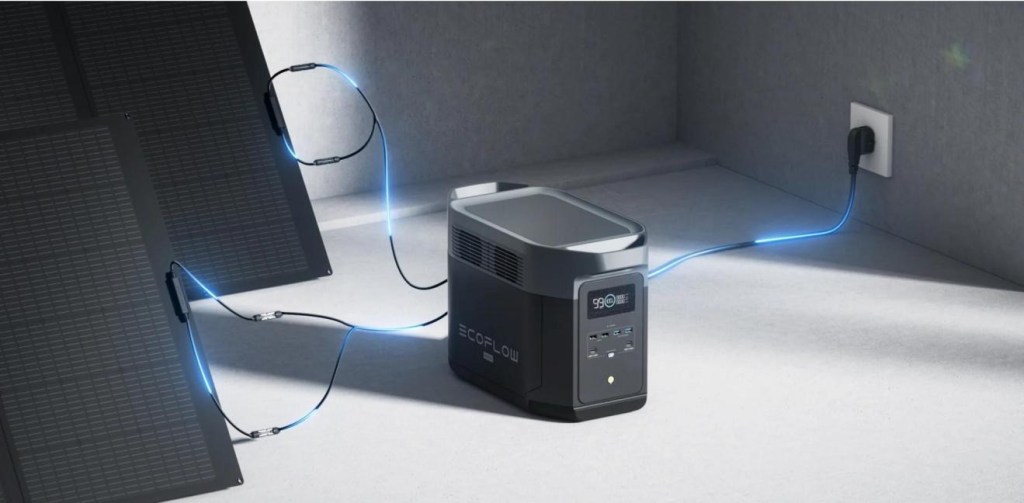
Accessories directly affect maintenance, safety, and charging consistency. Use manufacturer-approved or properly rated charging cables, AC adapters, and solar input accessories that match the power station’s input requirements. Poor-quality accessories can cause slow charging, excess heat, unstable current, or connector damage over time. Choose extension cords and connected devices with suitable ratings, secure insulation, and durable plugs. If replacement parts are needed, select options designed for your specific model rather than generic pieces that fit loosely. Keeping a dedicated set of clean, well-labeled accessories also prevents wear from constant swapping. Reliable power solutions support efficient charging, protect internal components, and make routine maintenance easier because you can rule out accessory-related problems quickly.
Conclusion
Portable power station maintenance does not require complicated tools or technical expertise. Regular inspection, careful cleaning, correct charging, and smart storage habits are enough to keep the unit working safely and efficiently. Paying attention to ports, cables, vents, battery level, and operating conditions helps prevent avoidable damage and preserves performance over time. Daily habits also matter, especially using reliable accessories and avoiding heat, moisture, and overloads. When you build these simple steps into your routine, your portable power station stays ready for backup power, travel, outdoor use, or work needs. Consistent care is the easiest way to protect your investment and extend service life.
Author Profile

-
Deputy Editor
Features and account management. 7 years media experience. Previously covered features for online and print editions.
Email Adam@MarkMeets.com
Latest entries
 PostsWednesday, 21 October 2026, 13:16What Happens If Cashless Pre-Authorisation Is Rejected?
 PostsTuesday, 20 October 2026, 16:30Why Visuals Are Key to Capturing Audience Attention
 PostsTuesday, 20 October 2026, 15:30Saeed Abedini on Forgiveness After Persecution and What Worship Looks Like in His Ministry Today
 PostsTuesday, 20 October 2026, 14:48One Chuan Grove redefines family prestige with space, schools and connectivity
Recent News, Photos, Videos, Reviews, Interviews And Opinions From MarkMeets.com
 Why Every Drone Pilot Needs a Portable Power Station in Their Gear Kit
 Why Portable Raman Spectrometers Are Vital in Modern Labs
 Seasonal HVAC Maintenance Tips from Air Summit Heating and Cooling Experts
 Power Cable: A Complete Guide to Types, Uses, and Selection
 The Crucial Role of Routine Air Conditioning Service Maintenance
 7 Things to Know Before Repairing Your Power Tools
You must be logged in to post a comment.