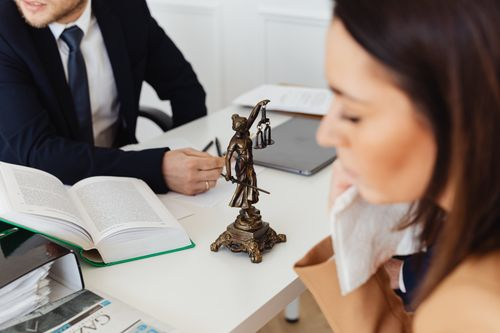
An accident inside a business can leave you feeling caught off guard. One moment you are buying groceries, walking through a lobby, visiting a rental office, or leaving a restaurant. Next, you are trying to stand up while people ask what happened.
That first reaction is often confusion. Was it your fault? Should someone have warned you? Does a store have any responsibility when a customer gets hurt? These are the questions many people bring to a personal injury lawyer after an accident on private property.
When a Business May Be Responsible
A Palm Bay business injury claim usually begins with one question: what made the area unsafe?
The answer may involve a wet floor, broken tile, poor lighting, loose carpet, a cracked walkway, a missing handrail, or merchandise left in the path of customers. The condition matters, but it is only part of the issue.
Businesses are expected to use reasonable care for people who are allowed to be there. That can include regular checks, repairs, cleanup procedures, and clear warnings when a hazard cannot be fixed right away.
A business is not automatically responsible for every injury on its property. The facts need to show that unsafe property conditions played a role and that the responsible party had a fair chance to address the danger.
What Did the Owner Know?
Many injury claims turn on notice. In plain terms, notice means the property owner or manager knew about the danger, or should have known about it through reasonable care.
A spill that happened seconds before someone slipped may be harder to prove than water that sat near a freezer aisle for half an hour. A broken stair that tenants complained about before the fall may raise different questions than a defect that appeared without warning.
Florida law treats certain business slip-and-fall claims with care. If the accident involves a substance on the floor, the injured person generally needs to prove that the business had actual or constructive knowledge of the condition and should have acted.
That is why business owner liability often depends on timing, inspection habits, prior complaints, and whether employees were close enough to see the problem.
Private Property Is Not Always Simple
A private property accident can happen in a shop, office, salon, apartment complex, rental home, parking lot, hotel, or managed building. Each place may raise a different control question.
The person who owns the property may not be the same person who runs the business. A tenant may control the inside of a store, while a landlord handles exterior repairs. A management company may arrange maintenance.
A claim needs to identify who had control over the unsafe area. Without that, useful records may be missed.
The Records That Help Explain What Happened
Most accident scenes change quickly. A spill gets cleaned. A mat is moved. A warning cone appears after the fall. A broken step is repaired before anyone takes a photo.
That is why premises liability evidence can make a real difference. Photos, witness names, incident reports, repair logs, inspection records, security footage, and medical records may help show what caused the injury and how the business responded.
Small details can carry weight. A witness may remember that another customer complained earlier.
Your Own Actions May Be Reviewed
Property owners and insurers may look at what the injured person was doing before the accident. They may ask whether the hazard was visible, whether warning signs were posted, or whether the person was distracted.
Florida uses a modified comparative fault rule in many negligence cases. If an injured person is partly at fault, any recovery may be reduced. If that person is found greater than fifty percent at fault in a covered negligence claim, recovery may be barred.
A personal injury lawyer may review the full setting, including lighting, layout, signs, foot traffic, weather, and where the hazard was located.
What To Do After an Injury at a Business
Try to report the accident before leaving the property. If you can, take photos before the area changes.
Keep your shoes, clothing, receipts, medical paperwork, and any messages from the business or insurance company. Seek medical care if pain appears or gets worse.
Avoid guessing about details you do not know. It is better to say what you remember clearly than to fill gaps under pressure.
Conclusion
You may be able to file a claim after being injured at a Palm Bay business if unsafe conditions caused the accident and the responsible party knew, or should have known, about the danger.
These cases often depend on evidence, timing, property control, and medical documentation. A careful review can help show whether the business took reasonable steps to keep visitors safe.
If you were hurt at a business or another private property in Palm Bay, FK Legal can review what happened and explain possible next steps. Speaking with a personal injury lawyer may help you understand whether a claim is available based on the facts.
Author Profile

- Jake contributes to MarkMeets, creating informative and enjoyable content
Latest entries
 PostsWednesday, 25 November 2026, 20:03Can You File a Claim for Injuries at a Palm Bay Business?
 PostsWednesday, 25 November 2026, 20:02Modern Art Collector Jeffrey Loria Explains Why Great Artists Are Often Ahead of Their Time
 PostsWednesday, 25 November 2026, 20:01What Award Shows Teach Us About Losing Well
 CultureTuesday, 24 November 2026, 18:00Culture: 100 Manners for Life
Recent News, Photos, Videos, Reviews, Interviews And Opinions From MarkMeets.com
 What Qualifies as a Personal Injury Claim Under the Law?
 Step-by-Step Guide on How to Claim Compensation After a Car Accident
 How Long Will Your NYC Slip and Fall Claim Really Take?
 What Happens When An Injury Claim Involves More Than One Accident
 How a Motorcycle Injury Claim Differs From a Standard Vehicle Collision Case
 How Grieving Families Pursue Justice in a Wrongful Death Claim
You must be logged in to post a comment.