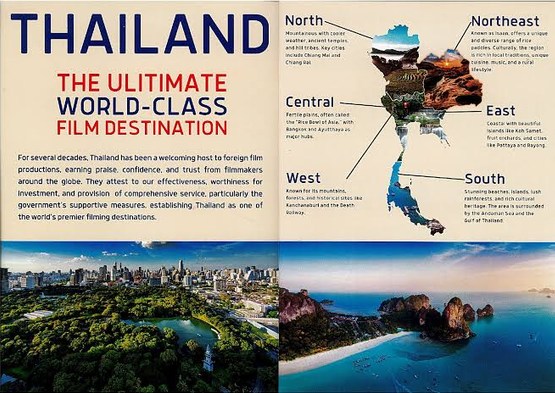
Every few years, a film from an unexpected corner of the world slips into the global conversation. Lately, more of those films have come from Thailand. Thai movies now turn up at major festivals, on streaming services, and on the watch lists of fans who want something beyond the usual blockbuster formula. This is not a sudden trend. It is the result of decades of steady, inventive filmmaking. So what makes Thailand’s film industry stand out, and why are international audiences paying closer attention?
A Film Industry With Deep Roots and a Fresh Wave
Film production in Thailand dates back to the early twentieth century, and the industry has gone through many phases since. Local audiences have long supported home-grown stories, from broad comedies to dramas and ghost tales. Genres such as horror, action, and comedy have stayed popular at home, while smaller independent films explore quieter ideas.
Around the turn of the millennium, a new generation of directors began to attract wider notice. They brought personal styles, sharper production values, and a willingness to mix genres. Names like Pen-Ek Ratanaruang and Wisit Sasanatieng became familiar to festival audiences. This period helped Thai cinema build a reputation abroad that continues to grow.
What Sets Thai Films Apart in the Global Market
Genre Blending
Thai filmmakers rarely stay inside one box. A horror story may include comedy. A drama may slip into fantasy. This habit goes back a long way in popular Thai filmmaking, where entertainment value often matters as much as artistic ambition. The mix keeps viewers guessing and gives Thai films a flavor that is hard to copy.
Hands-On Spectacle
Tom-Yum-Goong (2005) is a good example of the industry’s action craft. Led by martial artist Tony Jaa, it built its reputation on physical, stunt-driven fight scenes. For action fans, that practical energy offered a welcome change from effects-heavy releases.
Playful Imagination
Citizen Dog (2004), directed by Wisit Sasanatieng, shows another side. It is a colorful, offbeat tale with a storybook look. Films like this prove that Thai cinema is not defined by one tone. It can be strange, funny, and visually bold in the same breath.
Festival Honors and Streaming Reach
International festivals have been important stepping stones. Thai films have earned recognition at major events, including the Cannes Film Festival, which has honored the country’s directors more than once. At the Venice Film Festival, Manta Ray (2018), directed by Phuttiphong Aroonpheng, won the top prize in the Orizzonti section.
These moments matter because they give critics and viewers a reason to look closer. A festival prize rarely tells the whole story, but it often starts a conversation.
Streaming has opened another door. Thai productions such as Hunger (2023) reached viewers in many countries through Netflix. It showed that a story rooted in one place can travel widely.
Why Audiences Outside Thailand Are Looking East
Audience taste is changing. Many viewers now want stories that feel different from the standard Hollywood template. International cinema offers that variety. Thai movies add fresh settings, unexpected story turns, and a distinct mix of humor and emotion.
Thailand also benefits from a wider shift. Films from South Korea, Japan, and other Asian markets have shown that audiences will follow a story across language barriers. Thai cinema now sits within that larger movement, offering its own flavor to viewers who already enjoy world cinema.
Several factors help explain the growing interest:
- Fresh storytelling. Thai films often break genre rules and surprise viewers.
- Visible craft. Practical stunts, bold color, and atmospheric sound stand out.
- Festival buzz. Awards and screenings bring new titles to wider attention.
- Easy access. Subtitles and digital catalogs reduce the old language barrier.
- Fan communities. Online film circles share discoveries across borders.
With so many choices, good information matters. Websites focused on specific film cultures help viewers explore with more confidence. Nungz, for example, is a site centered on Thai and international movies, and it offers one more place for fans to look beyond mainstream cinema.
Discovering Thai Cinema Through Online Movie Collections
The biggest change for fans is access. Not long ago, seeing a Thai film outside Thailand meant waiting for a festival slot or hunting for an import. Today, online movie collections make browsing simple, and they make it easier to compare styles side by side.
When you search for a Thai Movie online, it helps to think like a curator. A little planning turns a random pick into a rewarding watch:
- Start with a director or actor whose work you already know.
- Try a title from a different genre each week.
- Read short summaries to match a film to your mood.
- Look for subtitle options before you press play.
- Stay with licensed sources so creators are supported.
Following one thread, such as a director’s career, often leads to the best discoveries.
Conclusion:
Thai cinema has earned its place in the wider conversation about world film. It combines craft, imagination, and a strong sense of place. Festivals have noticed. Streaming has widened the audience. Online resources are helping curious viewers take the next step.
The next standout film may come from anywhere. For viewers willing to look past the familiar, Thailand is a rewarding place to start.
Author Profile

- Jake contributes to MarkMeets, creating informative and enjoyable content
Latest entries
 CultureMonday, 23 November 2026, 16:52Culture: 100 Manners for Life
 PostsMonday, 23 November 2026, 16:46The Growing Global Appeal of Thai Cinema: What Makes Thailand’s Film Industry Worth Exploring?
 MusicMonday, 23 November 2026, 16:00Yungblud Net Worth 2026: How the British Rock Star Built His $10 Million Fortune
 PostsFriday, 20 November 2026, 17:52Best AI SEO Agencies in India in 2026
Recent News, Photos, Videos, Reviews, Interviews And Opinions From MarkMeets.com
 Beyoncé Becomes a Global Billionaire and Her Growing Net Worth
 Why Thai Stories Connect With International Audiences
 Exploring the Growing Benefits and Uses of Telemedicine
 How Long Are Cinema Adverts? UK Timings Before Your Film
 Streaming Tamil Cinema in 2027
 Choosing Where to Stay in Bangkok as a Thai Language Student
You must be logged in to post a comment.