I want to hear what Ariana Grande has to say. Why are we still talking about her body?
Ariana Grande went on Jimmy Fallon to talk about a comedy. The coverage took me back to a question she raised in 2023: why do we feel so comfortable commenting on other people’s bodies?
“Ariana Grande makes first public statement since stepping back from spotlight.” I flick to my homepage and there it is. I click because I want to know what she said. On 8 November, Grande joined Ben Stiller and Robert De Niro on The Tonight Show Starring Jimmy Fallon to promote Focker-in-Law. She told a funny story about her first day, when the stunt team had her rehearse giving Stiller the Heimlich manoeuvre. Imagine meeting your co-star and being asked to throw your arms around him before you’ve had much time to say hello. By the end of the short write-up in The Independent, I was back in familiar territory, reading about the public scrutiny of Grande’s body and health.
I understand why the article mentioned it. Grande’s representative had cited ongoing public scrutiny when explaining her decision to step back from public-facing work. It’s a relevant part of that story. What struck me was how quickly an appearance about a new film could take me back to the same discussion. There are plenty of other things to be curious about. In an earlier interview, Grande spoke about balancing music, touring and acting. I’d happily read more about how she goes from playing Glinda to finding her place in a comedy franchise with two actors who’ve been winding each other up on screen for more than 25 years.
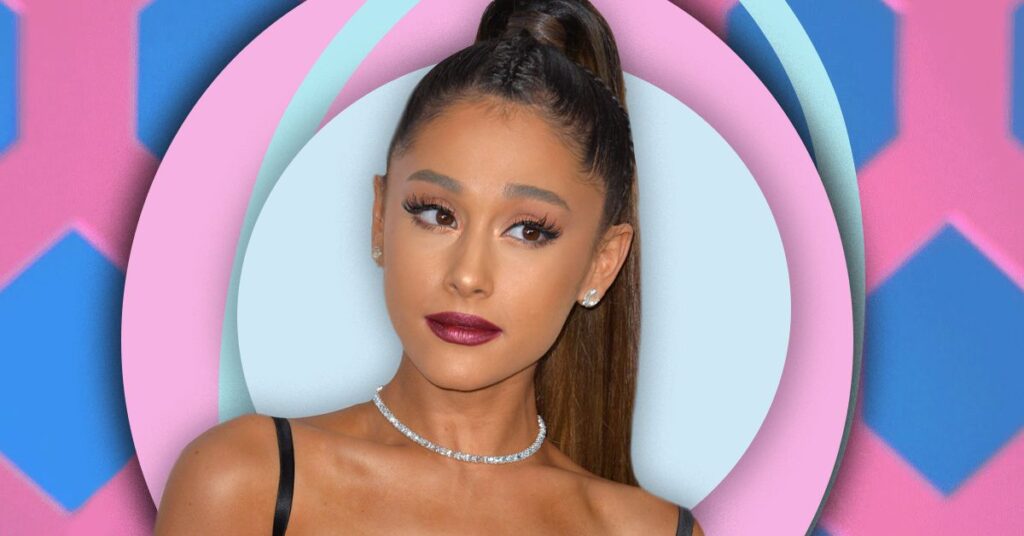
What Ariana Grande asked of us in 2023
In April 2023, Grande posted a TikTok asking people to be gentler when commenting on other people’s bodies. Some people had been holding up older photographs as examples of how healthy she used to look. Grande said those pictures came from a period when she was at her least healthy. I keep thinking about the certainty with which people made those comparisons. They’d looked at a few photographs and arrived at a judgement about a part of her life she’d actually lived through.
I think it’s worth sitting with how much she had to share to make such a simple request. She told strangers something personal about a difficult time because they were already talking about it as if they knew what it had been like. Three years later, when she released the music video for “petal”, people were again discussing her appearance. Some criticised her and others tried to defend her. I understand the instinct to jump in when you think someone’s being treated unfairly. But if a person asks for fewer comments about their body, I wonder how it feels to find that even the people on their side are still discussing it.
What happens when scrutiny passes for concern?
I used to think we’d become better at recognising body-shaming because we’d learned to call out the old celebrity magazine tricks. Put two photographs from different years side by side, circle part of somebody’s body and invite readers to spot what’s changed. A paused video can do the same job now. Someone posts a still, people argue about it and a publication can report the argument as news. The headline can sound sympathetic while the picture still tells you exactly where to look. When the replies become material for the next article, everybody gets another opportunity to weigh in.
Some of that concern will be sincere. When you’ve listened to someone’s music for years, their voice might be part of the soundtrack to your own difficult moments. I can see why you’d feel protective of them. I’d still ask what a public comment guessing at their health does for them. Imagine going to work knowing that a clip of you doing your job might be paused and passed around so strangers can decide how well you are. Then imagine having to sit through the same conversation the next time you go to work. Grande has already told us how she’d like people to speak about this. I think the most supportive response starts there.
I think about the readers who never leave a comment, too. A teenager who clicks because they loved Ariana Grande as Glinda in Wicked can end up reading adults arguing about what a healthy person is supposed to look like. And then there’s the next picture they see, which might be one of themselves. MarkMeets has written about how conversations about weight loss can shape what we see as normal. I think entertainment coverage has a part in that. Every time we decide that a photograph tells us something about a person’s health, we’re encouraging readers to make the same sort of judgement with equally little information.
What I saw in Ariana Grande’s “petal” video
In the black-and-white video for “petal”, directed by Christian Breslauer, Grande plays Pepper, an aspiring actor trying to impress a panel of men who can decide whether she works. They pick apart her appearance and question whether she’s authentic. Pepper keeps trying to give them whatever it is they want. Then the video becomes a horror film. I’ve enjoyed the way Grande has played with film conventions before, especially when she recreated scenes from teen comedies for “thank u, next”. Here, the switch in genre gives her character a chance to show how angry she is after spending so much of the audition trying to be agreeable.
What stays with me is the panel’s demand for authenticity. They want Pepper to give them something real while making the room increasingly hostile. She has to take their comments because she wants the job, and they can call those comments professional feedback because they’re the ones behind the table. The film leaves me thinking about how tiring it must be to keep trying to please people who can change what they want from you at any moment. There’s a bitter joke in watching a panel ask a woman to be herself and then seeing how little room they give her to do it.
The 2023 TikTok and the “petal” video feel different to me in one important respect. In the TikTok, Grande chooses her words carefully and leaves room for the possibility that people meant well. As Pepper, she gets to be furious. I like that the character can express something about the humiliation of being judged without Grande having to offer up another personal experience. There’s so much to ask her about that choice. How long did she want us to sit with the discomfort of the audition? What did she find funny about it? When did she decide horror could get at something that a more realistic scene might miss?
The story I’d have written after Fallon
I’d have led with the stunt rehearsal. Grande and Stiller had to get comfortable enough to make a physical gag work almost as soon as they met. What did they do to make it funny? Was the original plan to play it straight? Did De Niro have a hard time keeping a straight face? A detail about how a scene came together makes me want to watch the film. It’s also the kind of thing a performer can talk about with some pleasure after doing the work.
If I were writing about Grande’s decision to step back, I’d give her request for gentler language the space it deserved. I’d ask whether the headline and the choice of photograph respected that request. For a piece about “petal”, I’d choose a still of Pepper facing the panel. Their positions in the room tell you something straight away about who gets to judge and who has to stand there and hear it. That’s the image I’d want a reader to have in mind when they click.
I’d also like to hear a follow-up to Grande’s story about her first day with Stiller. Every actor has some version of a first-day story, and this one happens to start with the stunt team asking two people who barely know each other to rehearse a Heimlich manoeuvre. I want to know what happened on the first take. That’s the question I wish the coverage had left me with.
Author Profile

- Mark Boardman is an established showbiz journalist and freelance copywriter whose work has been published in Business Insider, Daily Mail, Bloomberg, MTV, Buzzfeed, and The New York Post, amongst other media. Often spotted on the red carpet at celebrity events and film screenings, Mark is a regular guest on BBC Radio London and in demand for his opinions on media outlets such as Newsweek, Daily Express, and OK! Magazine, as well as Heart radio, Capital FM, LBC, and Radio 2. His TV credits include ITV News, This Morning, BBC News, The One Show, Sky News, GB News, and Channel T4. Mark is a keen traveller having visited 40+ countries, and a devout sports fan who also attends as many gigs as he can across the capital when not rubbing shoulders with the stars. Email Mark@MarkMeets.com
Latest entries
 FeaturesTuesday, 17 November 2026, 15:53Ariana Grande asked us to be kinder. I wish we’d listened
 MusicFriday, 13 November 2026, 10:04MarkMeets Exclusive | Olivia Dean: The Story Behind “Man I Need” and The Art of Loving
 Film PremieresMonday, 9 November 2026, 18:00Red Carpet Fan Access Decoded: 6-Month Field Study of Leicester Square Premiere Ballots, Security Protocols, and Fan Pen Placement
 Film PremieresTuesday, 3 November 2026, 17:00How Leicester Square Premiere Fan Ballots Really Work: Five Recent Events Compared
Recent News, Photos, Videos, Reviews, Interviews And Opinions From MarkMeets.com
 What Ariana Grande Revealed in Her New Interview About Music, Tours, and Acting
 Frequently Asked Questions About What Is Term Life Insurance and Term Insurance Calculator Usage
 London Film Premieres 2026 | MarkMeets
 Traitors: The Faithful Story New Trailer Drops Ahead of October Digital Release
 List of Top-Grossing Film Adaptations of Broadway Musicals
 Sharlto Copley Net Worth: The Rise to Fame and Fortune
You must be logged in to post a comment.