Eleven Pixar movies have won the Best Animated Feature Oscar, beginning with Finding Nemo at the 2004 ceremony and most recently Soul in 2021. The winners include two Toy Story sequels, The Incredibles, Ratatouille, WALL-E, Up, Brave, Inside Out and Coco.
The year attached to the trophy is usually one year later than the film’s release. Finding Nemo is a 2003 film that won in 2004, for example. Keeping those dates distinct makes the awards history much easier to follow.
This guide to Pixar movies that won Best Animated Feature Oscar covers the eleven winners, their directors and every competing nominee in the category. The ceremony records were checked through the 2026 Academy Awards.
Pixar movies that won Best Animated Feature Oscar
| Film | Oscar ceremony year | Competing nominees | Director and credited co-director |
|---|---|---|---|
| Finding Nemo (2003) | 2004 | Brother Bear; The Triplets of Belleville | Andrew Stanton; co-director Lee Unkrich |
| The Incredibles (2004) | 2005 | Shark Tale; Shrek 2 | Brad Bird |
| Ratatouille (2007) | 2008 | Persepolis; Surf’s Up | Brad Bird; co-director Jan Pinkava |
| WALL-E (2008) | 2009 | Bolt; Kung Fu Panda | Andrew Stanton |
| Up (2009) | 2010 | Coraline; Fantastic Mr. Fox; The Princess and the Frog; The Secret of Kells | Pete Docter; co-director Bob Peterson |
| Toy Story 3 (2010) | 2011 | How to Train Your Dragon; The Illusionist | Lee Unkrich |
| Brave (2012) | 2013 | Frankenweenie; ParaNorman; The Pirates! Band of Misfits; Wreck-It Ralph | Mark Andrews and Brenda Chapman; co-director Steve Purcell |
| Inside Out (2015) | 2016 | Anomalisa; Boy and the World; Shaun the Sheep Movie; When Marnie Was There | Pete Docter; co-director Ronnie del Carmen |
| Coco (2017) | 2018 | The Boss Baby; The Breadwinner; Ferdinand; Loving Vincent | Lee Unkrich; co-director Adrian Molina |
| Toy Story 4 (2019) | 2020 | How to Train Your Dragon: The Hidden World; I Lost My Body; Klaus; Missing Link | Josh Cooley |
| Soul (2020) | 2021 | Onward; Over the Moon; A Shaun the Sheep Movie: Farmageddon; Wolfwalkers | Pete Docter; co-director Kemp Powers |
The director column gives the films’ directing credits. The people named as Oscar recipients can differ, because category rules and eligible recipient credits have changed over time. The table therefore avoids treating the complete production team as a list of individual Oscar winners.
1. Finding Nemo — won in 2004
Pixar’s first winner in the category follows Marlin, a cautious clownfish, as he searches for his son across the ocean. Dory’s unpredictable approach to the journey creates comedy, but it also forces Marlin to reconsider his own need for control.
The underwater setting gives the film a changing visual palette, from the reef to open water and the tank in a dentist’s surgery. Those settings remain connected by a clear emotional goal, making the adventure easy to follow without reducing its supporting characters to obstacles.
Andrew Stanton directed, with Lee Unkrich as co-director. The other nominees were Brother Bear and The Triplets of Belleville, a reminder that the category was already comparing films with very different visual styles and audiences.
2. The Incredibles — won in 2005
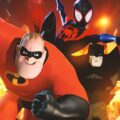
Brad Bird’s superhero family film combines domestic frustrations with an adventure about people forced to hide abilities that once defined their lives. Bob Parr’s attempt to regain his old identity pulls the rest of the family into danger.
The action is built around how the powers work together. Stretching, speed, strength and invisibility give the family a range of practical problems to solve, while the relationships make those scenes more than demonstrations of effects.
The film beat Shark Tale and Shrek 2. Its victory also separates awards success from box-office leadership: Shrek 2 was the worldwide leader among 2004 releases. Our guide to the highest grossing film of each year in the 2000s follows that different measure of success.
3. Ratatouille — won in 2008
Ratatouille follows Remy, a rat with an unusually developed sense of taste, as he tries to work in a Paris kitchen. His arrangement with the inexperienced Linguini creates the physical comedy, while the story keeps returning to who is allowed to be recognised as talented.
The kitchen is a convincing workplace because it has hierarchy, routines and standards. Remy must produce food under those conditions, not simply demonstrate that he enjoys it. That practical setting helps the film make its argument through action.
Brad Bird directed, with Jan Pinkava credited as co-director. The competing nominees were Persepolis and Surf’s Up. That field placed a Paris-set comedy alongside a personal animated memoir and a surfing mockumentary.
4. WALL-E — won in 2009
Andrew Stanton’s WALL-E begins with a small waste-collecting robot working on an abandoned Earth. Objects left behind by humans become clues to the world he inhabits and the life he hopes to find.
The first section relies heavily on movement, framing, music and sound rather than conventional dialogue. WALL-E’s attention to EVE is understandable through the way he behaves around her. The film then opens out into a much larger story about the people who left the planet.
WALL-E won over Bolt and Kung Fu Panda. It is one of the Pixar Oscar winners most worth revisiting for the way sound and physical performance establish a character before the plot expands.
5. Up — won in 2010
Up begins by establishing Carl Fredricksen’s life with Ellie, then follows his attempt to carry a shared dream into old age. The floating house supplies the memorable image, but Carl’s changing relationship with the people around him gives the journey its direction.
Russell arrives with needs of his own, making it harder for Carl to treat the adventure as a private mission. Their partnership turns a promise to the past into a question about what he can still do in the present.
Pete Docter directed, with Bob Peterson as co-director. The other nominees were Coraline, Fantastic Mr. Fox, The Princess and the Frog and The Secret of Kells. Up also received a Best Picture nomination, which is distinct from its animation-category win.
6. Toy Story 3 — won in 2011
Lee Unkrich directed the third Toy Story film, taking Woody and Buzz into a story about what happens when a child no longer needs the toys who have organised their lives around him.
Sunnyside initially looks like a solution, offering a place where toys will be used again. Its rules gradually reveal a different situation. The film balances an escape story with the more difficult problem of accepting a change that nobody can reverse by being brave.
It beat How to Train Your Dragon and The Illusionist. Tom Hanks and Tim Allen’s returning performances also demonstrate the value of familiarity in animation, a subject explored in our feature on animated characters and their signature voice actors.
7. Brave — won in 2013
Brave centres on Merida and her relationship with her mother, Queen Elinor. Merida’s refusal to accept the future planned for her leads to a magical intervention with consequences she did not intend.
The film’s most effective scenes force the pair to communicate under new conditions. Merida can no longer rely on an argument, while Elinor cannot preserve authority through the familiar routines of court life.
Mark Andrews and Brenda Chapman share the directing credit, with Steve Purcell as co-director. Brave won against Frankenweenie, ParaNorman, The Pirates! Band of Misfits and Wreck-It Ralph. It remains a useful example of Pixar placing a parent-child relationship at the centre of a fantasy adventure.
8. Inside Out — won in 2016
Inside Out turns Riley’s emotions into characters while showing the real disruption of a family move. Joy initially believes her task is to keep sadness away, creating a problem the film gradually asks her to understand differently.
The changing emotional headquarters gives the audience a way to follow abstract experiences through practical actions. Memories can be moved, lost or reconsidered, and the journey through Riley’s mind remains connected to what she does in the outside world.
Pete Docter directed, with Ronnie del Carmen as co-director. The other nominees were Anomalisa, Boy and the World, Shaun the Sheep Movie and When Marnie Was There.
9. Coco — won in 2018
Coco follows Miguel, an aspiring musician whose family has forbidden music. His journey into the Land of the Dead begins with a search for recognition and becomes a more complicated investigation into family memory.
The story makes songs part of the evidence. A performance can mean something different depending on who sings it, who remembers it and who has been credited with writing it. That makes the musical sequences essential to the mystery.
Lee Unkrich directed, with Adrian Molina as co-director. Coco beat The Boss Baby, The Breadwinner, Ferdinand and Loving Vincent. It also won Original Song for Remember Me, a separate award from Best Animated Feature.
10. Toy Story 4 — won in 2020
Josh Cooley directed a fourth instalment that asks what Woody does when being needed by one child no longer gives him the same purpose. Forky provides an immediate comic disruption because he does not understand himself as a toy at all.
The reunion with Bo Peep offers Woody a view of a life outside the arrangement he has always defended. That puts the character’s established loyalty under a new kind of pressure.
The other nominees were How to Train Your Dragon: The Hidden World, I Lost My Body, Klaus and Missing Link. The win made Toy Story the only Pixar franchise represented twice among these eleven Best Animated Feature victories.
11. Soul — won in 2021
Soul follows Joe Gardner, a music teacher whose ambition to perform professionally is interrupted just as an opportunity arrives. His encounter with 22 turns the story into a disagreement about what makes a life worth beginning or continuing.
The film moves between stylised abstract spaces and a detailed New York setting. Its most persuasive moments often come from ordinary physical experiences rather than Joe’s imagined career milestone.
Pete Docter directed, with Kemp Powers as co-director. Soul won against Onward, Over the Moon, A Shaun the Sheep Movie: Farmageddon and Wolfwalkers. Pixar therefore had two nominees in the same category that year, but only one winner.
Why Toy Story and Monsters, Inc. are missing
The first Toy Story was released in 1995, before the competitive Best Animated Feature category existed. Its achievements were recognised in other ways, including a Special Achievement Award presented to John Lasseter, but it cannot be counted as a winner of a category that had not yet begun.
Monsters, Inc. was nominated at the first ceremony to present the competitive award, held in 2002. Shrek won. Our ranking of the Shrek films looks at the DreamWorks series that supplied that first winner.
How this Pixar Oscar list was checked
The results and competing nominees follow the Academy’s ceremony archive. Release years identify the films; Oscar years identify the ceremonies at which they won. Short-film awards, nominations without a win and films from Walt Disney Animation Studios are outside this list.
That last distinction matters because Disney and Pixar are not interchangeable production labels. A Disney release such as Frozen or Encanto can win the same category without becoming a Pixar film.
Frequently asked questions
How many Pixar movies have won Best Animated Feature?
Eleven, through the 2026 ceremony. Finding Nemo was the first, and Soul remains the most recent winner in this group.
Did Inside Out 2 win Best Animated Feature?
No. It was nominated at the 2025 Oscars, where Flow won.
Did Elio win at the 2026 Oscars?
No. Elio was nominated, while KPop Demon Hunters won Best Animated Feature.
Why does the Oscar year differ from the release year?
The ceremony usually takes place the year after the eligible films were released. Finding Nemo was released in 2003 and won in 2004.
Author Profile

-
Photographer and PR manager
Email https://markmeets.com/contact-form/
Latest entries
 Social MediaTuesday, 28 July 2026, 18:00How to View Instagram Stories Anonymously: Techniques Revealed
 MusicSunday, 21 December 2025, 20:00Tom Petty: A Heartbreaker’s Journey Through Rock and Roll
 LifestyleMonday, 24 November 2025, 15:00Exploring the Social Side of Online Slots
 BusinessFriday, 17 October 2025, 12:00Key Considerations for Starting a New Business




1 Comment