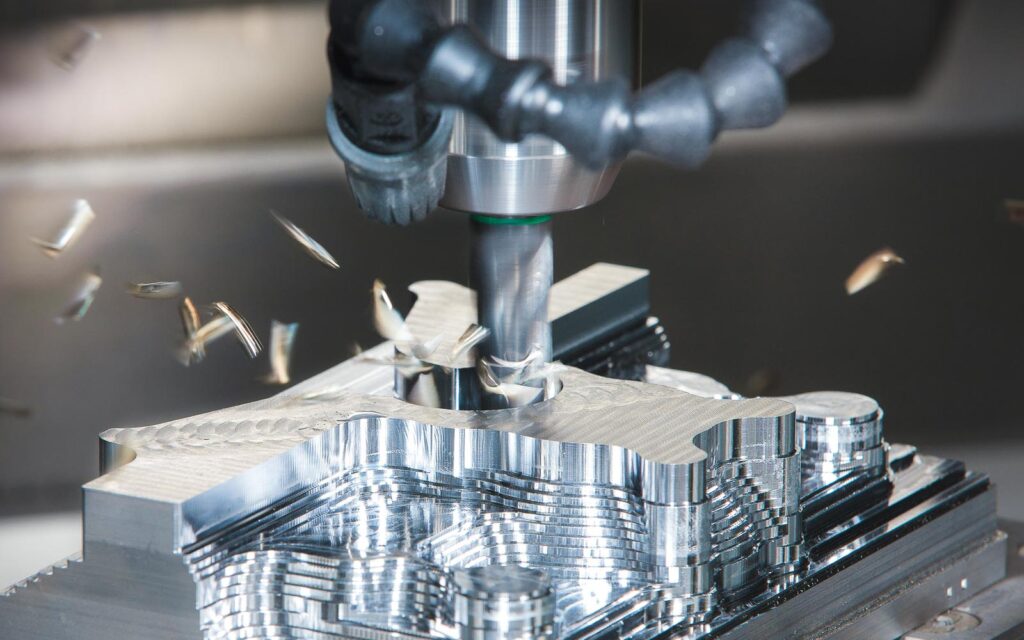
Metal fabrication businesses are constantly looking for ways to improve production efficiency, maintain consistent product quality, and manage manufacturing costs. As customer requirements become more demanding, traditional cutting methods may not always provide the flexibility or precision needed for every application. Investing in a CNC laser cutting machine can help manufacturers streamline their operations, improve cutting consistency, and handle a wider range of metal fabrication projects.
However, the value of this investment goes beyond the machine’s cutting speed or advertised specifications. Factors such as material utilisation, operating expenses, production volume, and long-term reliability all contribute to determining whether the equipment is right for a business.
1. Improved Cutting Precision and Consistency
Precision is essential in metal fabrication, particularly when manufacturing components that must fit accurately during assembly. CNC laser cutting uses computer-controlled instructions to guide the cutting process, helping manufacturers produce detailed profiles and repeatable components.
A properly configured fibre laser cutting system can handle intricate designs, small openings, and complex shapes with a narrow cutting width. This can reduce the need for additional machining or extensive edge finishing in suitable applications.
Consistency is another important advantage. Once cutting parameters and programs have been established, operators can reproduce the same component specifications across production batches. This is particularly useful for businesses manufacturing repeat orders or supplying components that require consistent dimensions.
2. Improved Production Efficiency and Faster Turnaround
Production efficiency depends on more than how quickly a machine cuts through metal. Programming, material preparation, loading, unloading, and job changeovers all contribute to the total manufacturing cycle.
CNC laser cutting can streamline several stages of this process through automated programming and repeatable job execution. Operators can prepare cutting programs based on digital component designs, reducing some of the manual work associated with conventional cutting processes.
For fabrication businesses handling multiple orders, this can make it easier to manage different component designs and production schedules. However, actual productivity depends on material thickness, machine power, component geometry, and how efficiently the wider production workflow is organised.
3. Better Material Utilisation and Reduced Waste
Material costs can represent a significant part of manufacturing expenses. Poor sheet utilisation, incorrect cutting layouts and rejected components can increase the amount of material required for each production run.
CNC laser cutting systems can work with nesting software to arrange multiple component designs on a sheet before cutting begins. Efficient nesting helps reduce unused spaces between parts and can improve overall material utilisation.
Accurate cutting can also help reduce rejected components caused by dimensional errors or inconsistent results. For businesses processing expensive metals or large production batches, even modest improvements in material utilisation can contribute to meaningful cost control over time.
The results depend on the component design, material dimensions, cutting strategy, and programming quality. Machine capability alone does not eliminate material waste.
4. Lower Operating Costs Over the Long Term
The initial purchase price is only one part of the cost of owning an industrial laser cutting machine. Businesses should also consider electricity consumption, assist gases, consumables, maintenance, labour, and potential production downtime.
An efficient cutting process can help reduce certain operational expenses by limiting rework, improving material utilisation and reducing the need for additional finishing operations. Automation may also reduce some repetitive manual tasks, depending on the production setup.
However, fibre laser systems have their own operating requirements. Assist gas consumption, replacement components, servicing, and machine utilisation all influence the actual cost of operation.
Before investing, businesses should calculate the expected cost per finished component rather than relying solely on advertised cutting speeds or general claims about efficiency. This provides a more realistic picture of how the machine could affect manufacturing costs.
5. Greater Flexibility Across Materials and Applications
One reason manufacturers consider fibre laser technology is its ability to process different metal types when the machine is configured appropriately.
Depending on its specifications, a fibre laser cutting system can process materials such as mild steel, stainless steel, aluminium, copper and brass. This gives fabrication businesses greater flexibility when working across different customer requirements and component designs.
Laser power, material thickness, alloy composition and cutting parameters all influence the achievable results. Businesses should therefore assess machine capabilities against the materials they regularly process instead of assuming that every machine can handle every metal equally well.
This flexibility can be particularly useful for manufacturers producing customised components, industrial enclosures, machinery parts and precision metal profiles.
6. How CNC Laser Cutting Fits Into a Modern Fabrication Workflow
A CNC laser cutting machine can become an important part of a wider sheet metal manufacturing process. After components are cut, they may move through bending, welding, assembly, and finishing stages.
Accurate cutting can help improve the fit of components during these downstream processes, reducing the likelihood of dimensional adjustments and unnecessary rework.
It is also important to recognise that different cutting technologies serve different production purposes. For example, a guillotine metal cutter may be more suitable for straightforward, straight-line sheet cutting, while laser cutting is generally more appropriate for intricate profiles, openings, and complex component shapes.
Rather than replacing every existing cutting process, laser technology can complement other fabrication equipment. The most effective setup depends on the types of components being manufactured, material thicknesses, and production volumes.
7. Calculating the Return on Investment of a CNC Laser Cutter
A significant equipment investment should be supported by a realistic financial assessment. Return on investment (ROI) helps businesses understand whether the expected operational and financial benefits justify the purchase.
Start by evaluating the initial machine cost, installation, operator training, and any additional equipment required. Then estimate ongoing expenses, including electricity, assist gases, consumables, servicing and maintenance.
Compare these costs with the expected production benefits. Consider whether the machine could reduce outsourcing expenses, improve material utilisation, increase production capacity or reduce rework.
For example, a business that regularly outsources complex cutting jobs may benefit from bringing suitable work in-house. However, the financial outcome will depend on order volumes, machine utilisation, staffing and the cost of operating the equipment.
A higher-priced machine is not automatically the better investment. The strongest option is the one that meets actual production requirements while offering sustainable operating economics.
What Should You Consider Before Investing?
Before purchasing industrial laser cutting equipment, evaluate the following factors:
- Material requirements: Identify the metals, grades, and thicknesses processed regularly.
- Laser power: Select a configuration suited to the required cutting capacity and production volume.
- Working area: Ensure the cutting table accommodates your typical sheet dimensions.
- Software and automation: Assess programming, nesting and workflow requirements.
- Maintenance and support: Understand servicing arrangements, spare parts availability, and technical assistance.
- Future capacity: Consider whether the machine can support anticipated changes in production demand.
A live machine demonstration using representative materials and component drawings can also help verify whether the equipment meets your expectations.
Conclusion
An industrial CNC laser cutting machine can be a valuable investment for metal fabrication businesses looking to improve precision, production efficiency, material utilisation and manufacturing flexibility. However, its actual value depends on how well the equipment matches the company’s workload, materials and long-term operational goals.
Performatec supplies industrial laser cutting solutions for Australian fabrication businesses, with different machine configurations designed to meet varying production requirements. Evaluating the available specifications, discussing your manufacturing needs, and testing representative components can help you make a more informed equipment investment decision.
Author Profile

- Jake contributes to MarkMeets, creating informative and enjoyable content
Latest entries
 BusinessFriday, 27 November 2026, 19:14What Makes an Industrial CNC Laser Cutting Machine Worth the Investment?
 PostsFriday, 27 November 2026, 19:12Spa & Massage and the Business of HabitByline
 PostsFriday, 27 November 2026, 19:10Creating High-Impact Events: The Strategic Role of Modular LED Rental Screens
 MusicFriday, 27 November 2026, 17:00Yungblud Net Worth 2026: How the British Rock Star Built His $10 Million Fortune
Recent News, Photos, Videos, Reviews, Interviews And Opinions From MarkMeets.com
 The Rise of CNC Laser Cutting in Smart Manufacturing: Market Trends and Growth Opportunities
 How to Choose the Right Laser Welding Machine for Your Workshop
 The Growing Global Appeal of Thai Cinema: What Makes Thailand’s Film Industry Worth Exploring?
 How Filtration Technology Helps Control Industrial Air Quality
 Metal Garage Sheds in Industrial and Logistics Operations: Practical Storage, Safety, and Long-Term Planning
 Understanding the Role of a 1200 KG Mini Compact Excavator in Canadian Industrial and Logistics Operations
You must be logged in to post a comment.