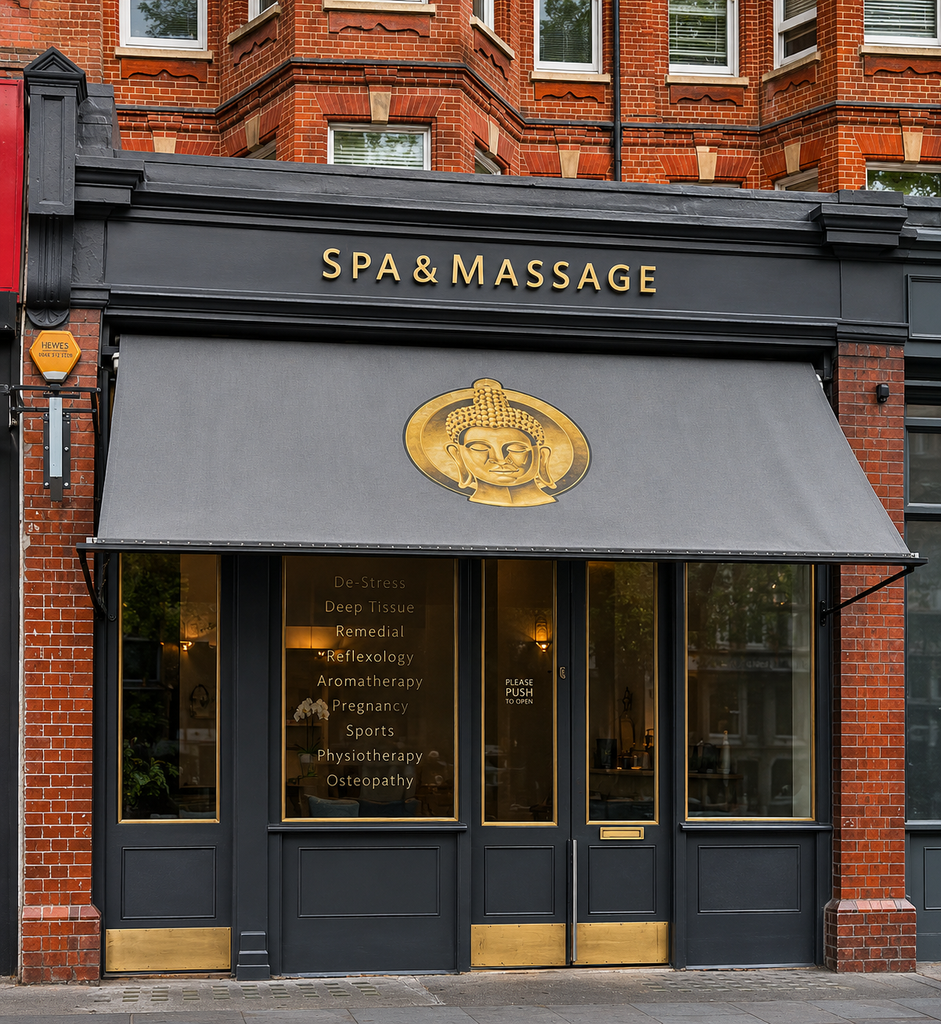
A London chain is trying to turn massage from an occasional treat into a regular appointment.
On Queensway in Bayswater, there is a massage clinic that stays open until 10pm, seven days a week.
It is one of nine that Spa & Massage runs across the capital, and the company reports delivering more than 4,000 treatments every week.
Size is only part of the plan.
Most businesses compete for market share. Fewer try for mindshare, the point at which a brand becomes the name people think of first. That is much harder to win, and it is what Spa & Massage is after.
The Power of Owning a Category
Think toothpaste and Colgate comes to mind. Think razors and you instinctively think of Gillette.
The most powerful consumer brands become synonymous with the very category in which they operate.
Spa & Massage is chasing that position in London’s massage market.
The capital is not short of massage providers. From independent operators to franchises and contemporary wellness concepts, consumers have an abundance of choice.
Spa & Massage’s pitch is clinical credibility and the same standard of treatment at every clinic.
The menu itself is conventional, built around deep tissue, sports and pregnancy massage and reflexology.
What the Research Says About Massage Therapy
The broader case for regular massage rests partly on research.
Published studies have reported positive results across several areas, though some are small:
- Chronic neck pain: A randomised controlled trial involving 290 US veterans demonstrated significant reductions in pain and neck-related disability (Munk et al., Pain Medicine, 2026).
- Shoulder pain: A systematic review found that massage therapy reduced shoulder pain in both the short and the longer term (Yeun, Journal of Physical Therapy Science, 2017).
- Tendon injuries: Research supports the use of targeted massage techniques alongside physiotherapy for managing certain tendon conditions, including Achilles and shoulder tendinopathies (Siva et al., International Journal of Therapeutic Massage & Bodywork, 2025).
- Sleep and relaxation: A small randomised controlled trial found reduced physiological arousal and changes in brain activity associated with relaxation among people experiencing poor sleep (Ntoumas et al., BMC Complementary Medicine and Therapies, 2025).
- Postoperative recovery: A review of 11 randomised controlled trials found improvements in pain and knee mobility following knee replacement surgery (Chen et al., Journal of Orthopaedic Surgery and Research, 2024).
- Cancer-related fatigue: A meta-analysis involving 789 patients reported significantly less fatigue after massage therapy (Shan et al., Supportive Care in Cancer, 2023).
- Pain and anxiety following breast surgery: A systematic review reported beneficial effects on postoperative pain and anxiety (Cole et al., Global Advances in Integrative Medicine and Health, 2024).
The studies examined massage therapy in general rather than any one provider, and several present it as an addition to medical care, not a substitute.
Spa & Massage says physiotherapists provide clinical oversight at its clinics, led by its Medical Director, Professor Eyal Lederman.
Nearly Two Decades on the High Street
Aly-Khan Thobani and Nicole Thobani founded Spa & Massage in 2007, and its clinics sit on neighbourhood high streets rather than inside hotels or gyms.
Clients are offered Buddha tea before and after each session, and the massage oils are organic.
Touches like these are pleasant, but they are not what keeps a business open that long. Repeat bookings are.
From Special Occasion to Standing Appointment
That depends on changing when people book.
Massage has long been something people saved for a holiday or a birthday.
The company is betting that more Londoners will make it part of a regular wellbeing routine, alongside exercise and good sleep.
A client who visits once a year is worth far less than one who returns every month, and Spa & Massage’s monthly memberships are aimed at the second.
If enough people make the switch, recurring demand gives the chain a base for opening in new neighbourhoods.
What It Would Take to Own the Category
The consumer businesses that own their categories usually do more than sell something. They change a habit.
That is a high bar. Nike changed how people think about exercise. Starbucks changed how people drink coffee.
Spa & Massage’s version is smaller: it wants Londoners to book massage the way they book the gym.
Its weekly numbers suggest the demand is there. Turning that demand into a habit, and tying it to one name, is the real test.
That habit is the category Spa & Massage wants to own.
Author Profile

- Jake contributes to MarkMeets, creating informative and enjoyable content
Latest entries
 BusinessFriday, 27 November 2026, 19:14What Makes an Industrial CNC Laser Cutting Machine Worth the Investment?
 PostsFriday, 27 November 2026, 19:12Spa & Massage and the Business of HabitByline
 PostsFriday, 27 November 2026, 19:10Creating High-Impact Events: The Strategic Role of Modular LED Rental Screens
 MusicFriday, 27 November 2026, 17:00Yungblud Net Worth 2026: How the British Rock Star Built His $10 Million Fortune
Recent News, Photos, Videos, Reviews, Interviews And Opinions From MarkMeets.com
 The Diverse Advantages of Massage Therapy
 Why Chiropractic Massage Can Improve Your Overall Health
Deep Tissue Massage: Essential Insights and Benefits
 Mastering Soft Business Skills: The Secret qualities for Business Success
 Can You File a Claim for Injuries at a Palm Bay Business?
 Key Systems Every Business Requires to Stay Audit-Ready Year-Round
You must be logged in to post a comment.